
Vision
Unnat Bharat Abhiyan is inspired by the vision of transformational change in rural development processes by leveraging knowledge institutions to help build the architecture of an Inclusive India and to have a paradigm shift in academic and research programs of the country.
Mission
- Develop the necessary mechanism and proper coordination among educational institutions, implementation agencies (District administration / Panchayati Raj Institutions) and the grassroots level stakeholders to enable effective intervention at the field level.
- Select suitable rural clusters and effectively participate in the holistic development of these clusters using eco-friendly sustainable technologies and local resources creating sufficient employment opportunities in the process, harnessing multifarious government schemes, customised use of existing technologies and use of knowledge as per the local needs.
- Reorienting the academic curricula and research programs in higher educational institutions to make them more responsive to the needs of the time and to bring in holistic development and enrich knowledge of students about issues of villages/society.
Objectives of UBA 2.0
- To engage the faculty and students of Higher Educational Institutions in understanding rural realities.
- To identify & select existing innovative technologies, enable customisation of technologies, or devise implementation methods for innovative solutions, as per the local needs.
- To leverage the knowledge base of the educational institutions for effective implementation of various government programmes.
Strategy of UBA 2.0
- Capacity enhancement of Higher Education Institutions in research and training activities relevant to national needs, especially those of rural India.
- Village Adhyan with Situation Analysis, Need Assessment of the adopted village with objective to study, assess and identify area of intervention / initiatives on different subjects broadly categorized.
- To create a virtuous cycle benefitting the society, government, and higher education system.
Coordination Committee
| 1 | Dr. Revaram Koushle Associate Professor, Department of Community Medicine Research Methodology and Biostatistics. Phone : +91-9407273070 Email: [email protected] | UBACoordinator – Participating Institute JJHMC |
| 2 | Dr. Surajit Kar Professor, Department of Community Medicine Research Methodology and Biostatistics. | Member |
| 3 | Dr. Jignasa Kanasiya Assistant Professor, Department of H Materia Medika | Member |
| 4 | Dr. Kirti Baria Professor, Department of Forensic Medicine and Toxicology | Member |
| 5 | Dr. Prakash Parmar Assistant Professor, Department of Repertory and Case Taking | Member |
| 6 | Dr. Ravi Patel Associate Professor, Department of Practice of Medicine | Member |
| 7 | Dr. Riyanka Damore Assistant Professor Department of Gynecology& Obstetrics. | Member |
| 8 | Dr. Lovely Srivastava Associate Professor, Department of Community Medicine Research Methodology and Biostatistics. | Member |
| 9 | Dr. Dhirendra Sinh Parmar Department of Organon of Medicine | Member |
| 10 | Dr. Amanpreet Singh Chhabra Assistant Professor Department of Practice of Medicine | Member |
| 11 | Dr. Ananya Assistant Professor Department of Surgery | Member |
The committee consists of following members and with the following composition tenable for a period of three years. https://drive.google.com/file/d/1mbF-xL6igNcKqIsE_PVqx_v7ITvs3_oc/view?usp=drive_link
Total UBA Network Villages ( 05 )
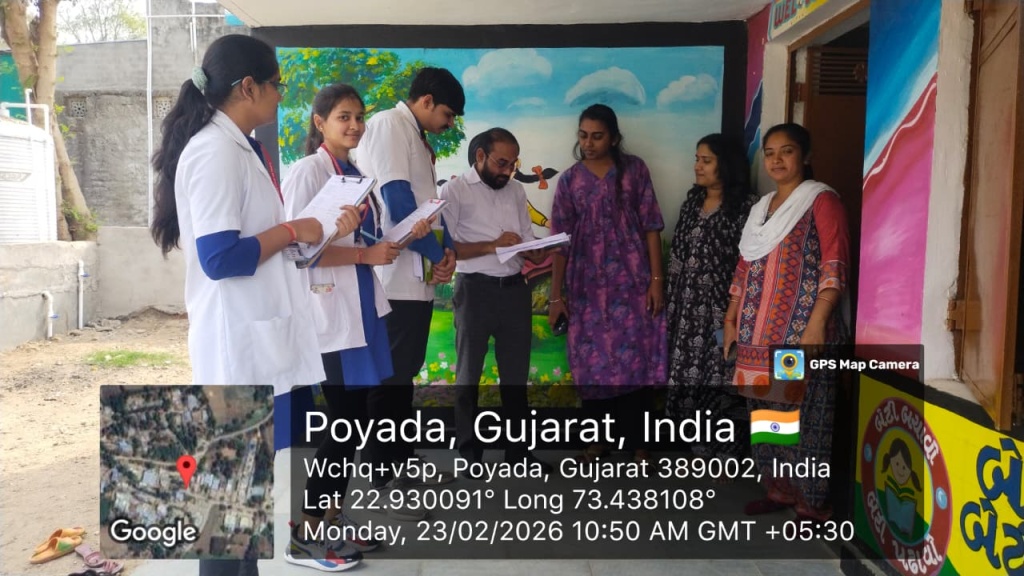
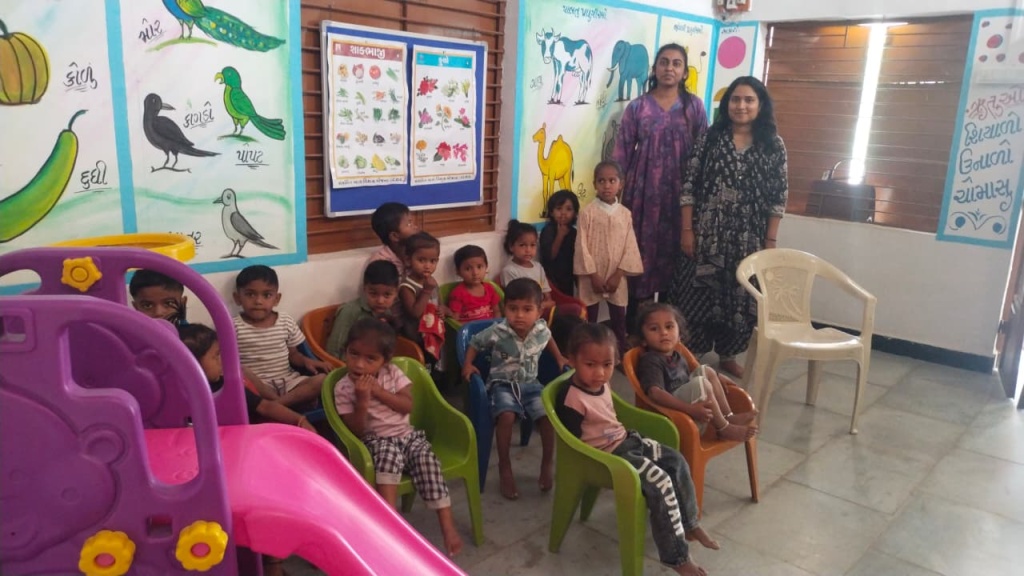
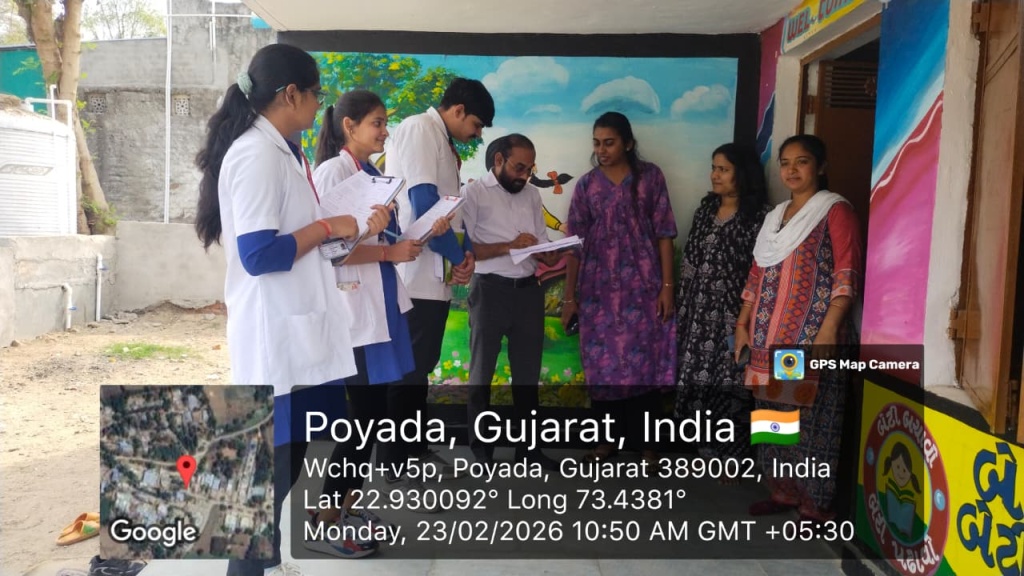
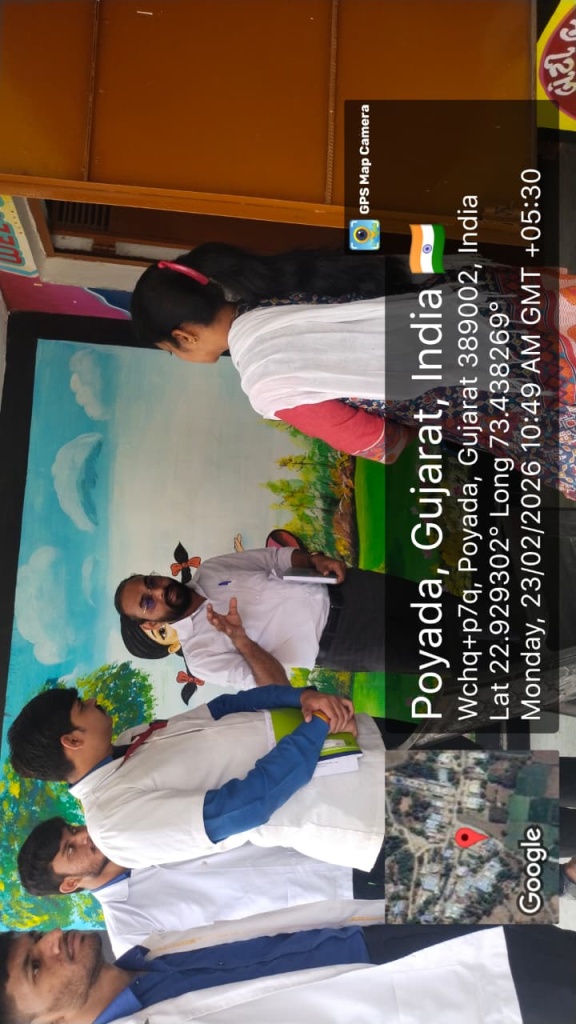
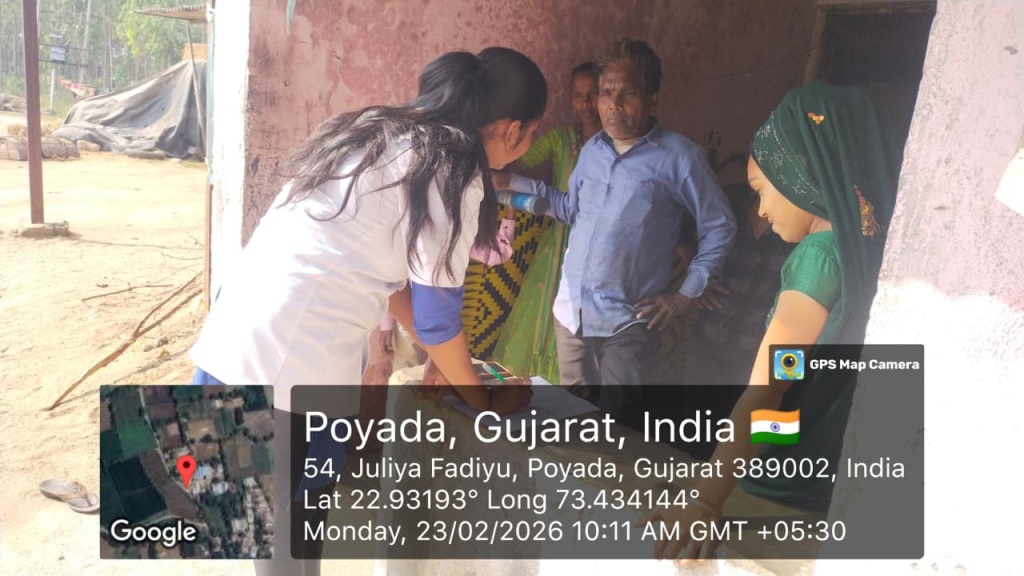
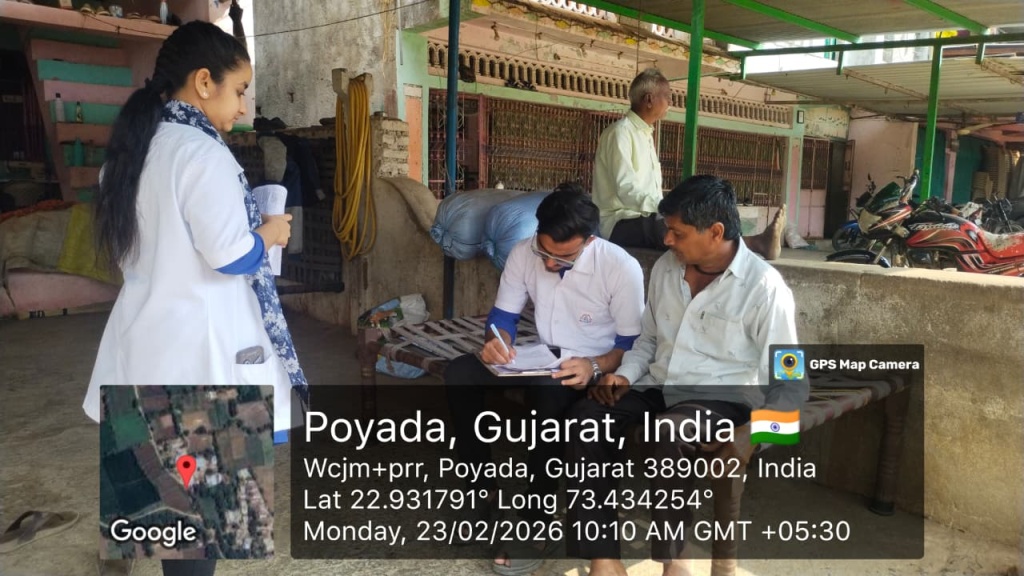
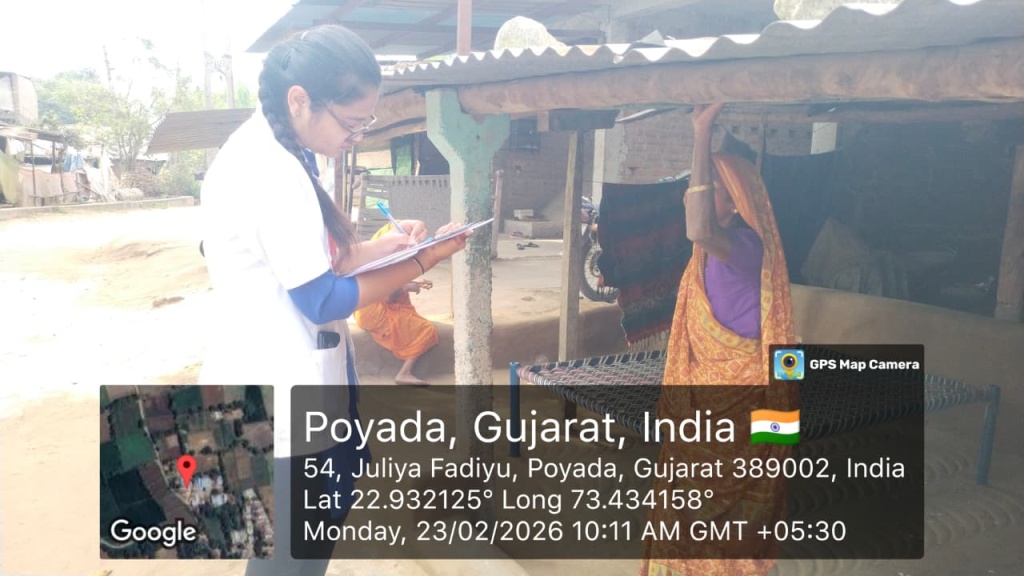
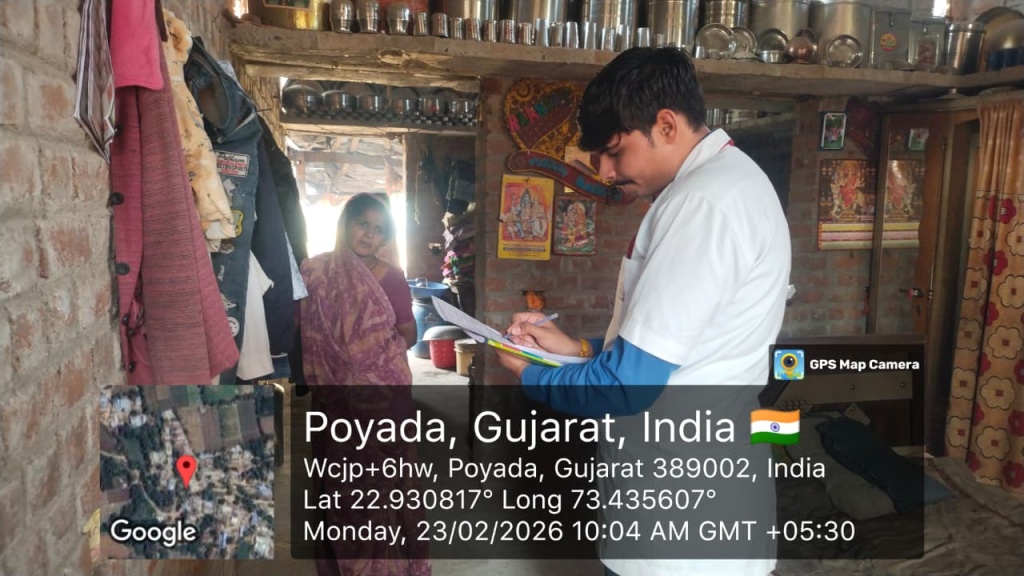
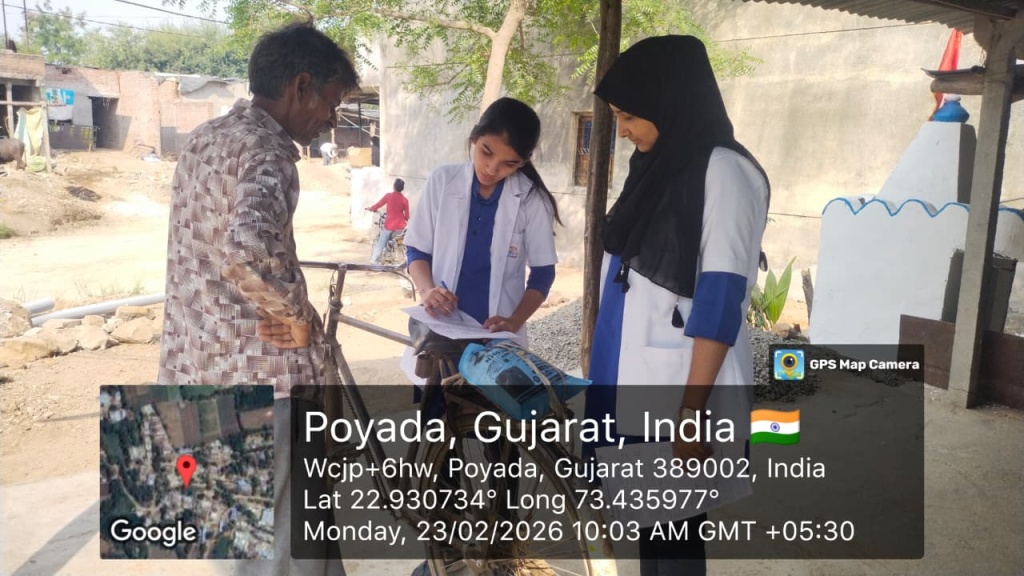
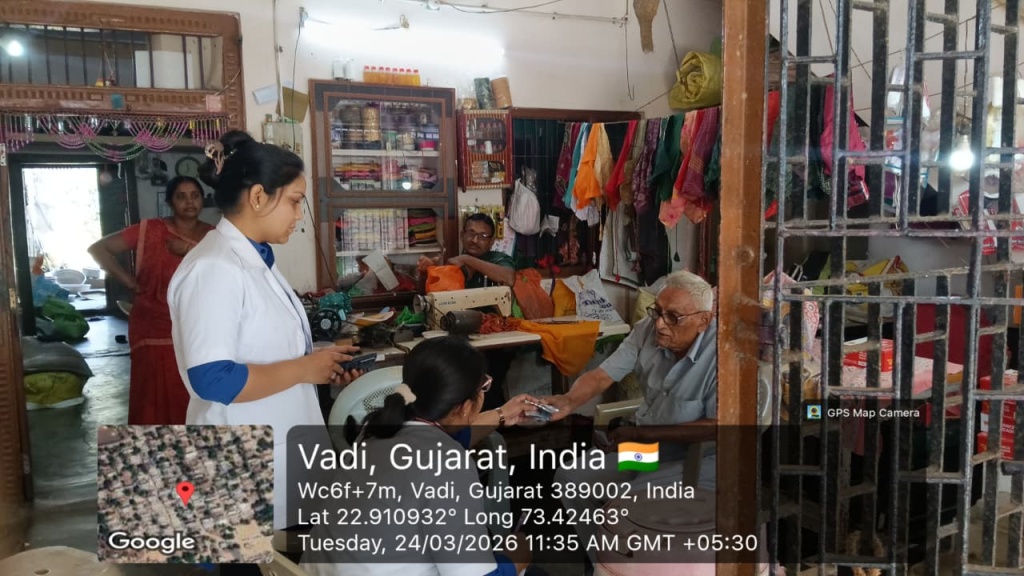
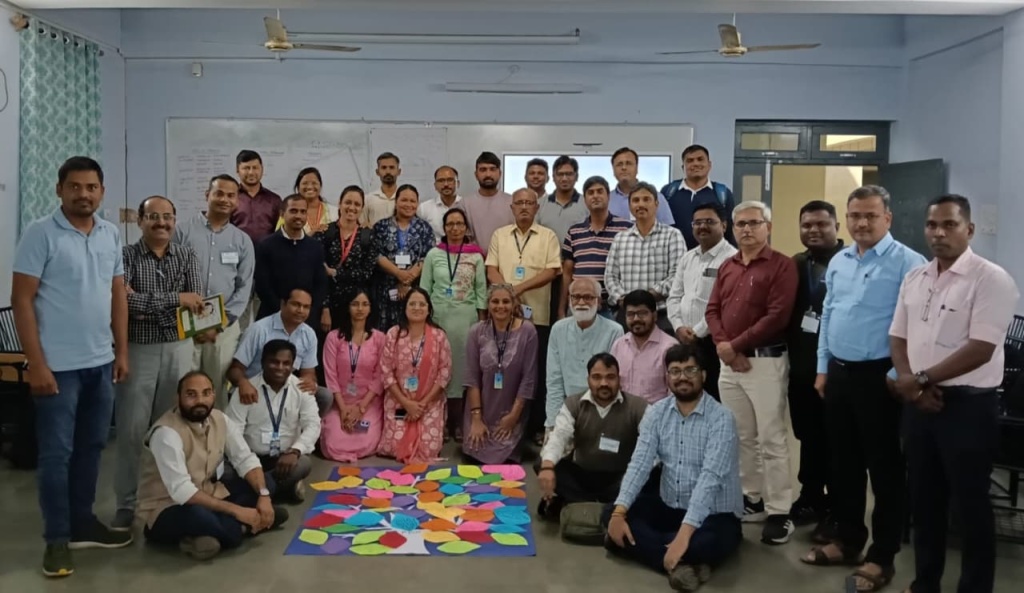
The baseline survey is currently underway.